
Can kids have clear aligners? What parents need to know this summer
School holidays are a great time to start orthodontic treatment. Routines are more flexible, there is time to settle into new habits and travel plans can be supported with remote check-ins.
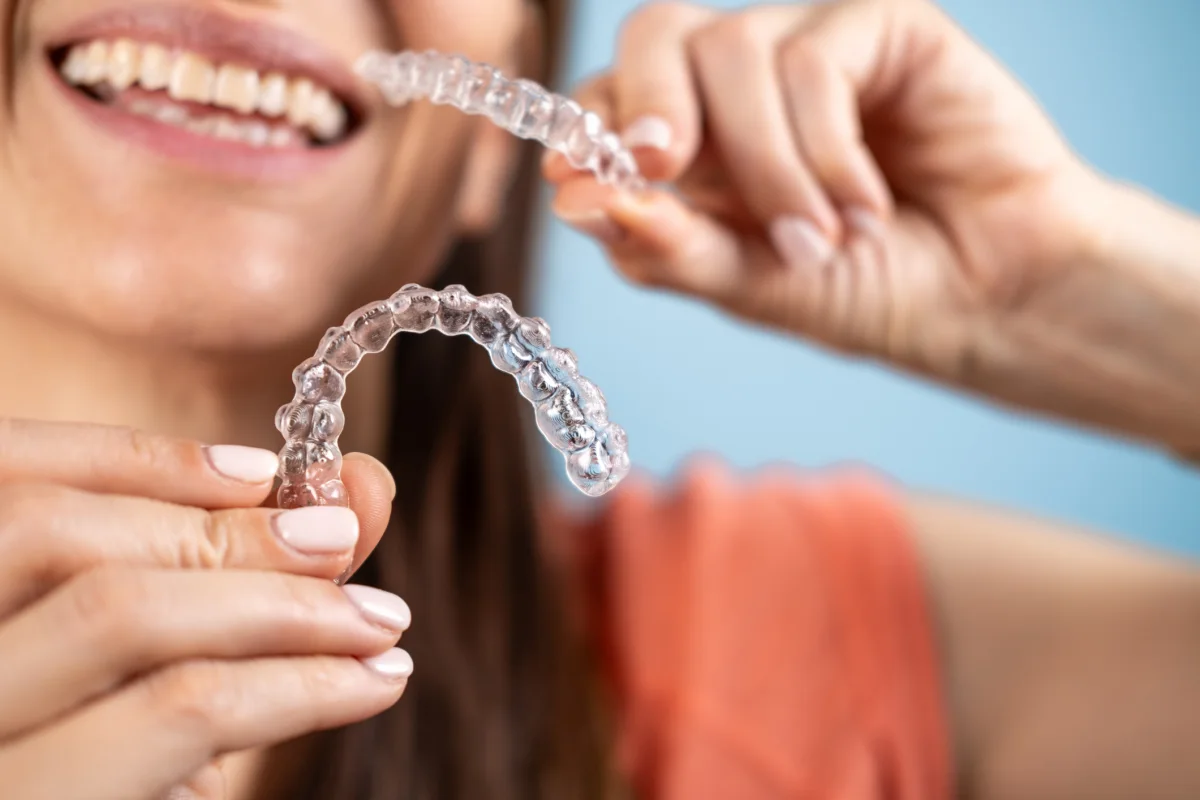
If you are wondering whether clear aligners are right for your child, this guide explains how they work, when they are suitable and how Specialist-led care at Pallant keeps treatment safe, effective and convenient.
We cover typical starting ages, which bite problems respond well to aligners and when fixed braces are still the better choice. You will also find practical answers on change frequency, attachments, refinements and retainers, along with oral hygiene tips to keep teeth healthy. Most importantly, you will see why planning matters more than the brand. At Pallant, every clinician is a Specialist, and orthodontics and dentistry sit under one roof for joined-up care.
Are clear aligners suitable for children?
Yes, many children and teenagers can have clear aligners when treatment is planned and supervised by a Specialist Orthodontist. Aligners are custom-made trays that gently guide teeth into position. They can be a good choice for crowding, spacing, mild to moderate overbites and some crossbites.
They are discreet, removable for eating and cleaning, and typically comfortable once your child becomes accustomed to them. Success depends on selecting the right cases and maintaining consistent wear. Aligners usually need to be worn for 20 to 22 hours per day. If your child is unlikely to wear them reliably, fixed braces may be a safer and more predictable option.
What age can children start?
There are two common treatment pathways.
Interceptive treatment (usually ages 8 to 11)
Short, targeted phases designed to guide erupting teeth, correct simple crossbites or create space for developing smiles. At Pallant, we may also use child-focused systems such as Angel Aligners in selected cases.
Comprehensive treatment (usually ages 12 to 14)
Once most adult teeth have erupted, we can plan full bite correction with clear aligners or fixed braces.
Every child develops differently. Growth patterns, eruption timing and bite complexity all influence the ideal treatment timing. A free Specialist consultation at Pallant will help determine the most suitable approach for your child.
Safety and effectiveness for younger patients
Clear aligners are safe and effective for children when treatment is based on comprehensive diagnostics, a personalised treatment plan and ongoing Specialist supervision. At Pallant, we use iTero 3D scanning to plan precise tooth movements and Dental Monitoring to review progress remotely between appointments.
This combination allows us to make timely adjustments and keep treatment progressing smoothly, even if your family is travelling during the holidays. DIY or unsupervised aligner systems can increase the risk of gum problems, bite instability and unwanted tooth movement. Always choose Specialist-led care.
Clear aligners vs fixed braces for kids
Both systems can achieve excellent results. The right option depends on your child's orthodontic needs and lifestyle.
Clear aligners
- Removable and nearly invisible
- Easier brushing and flossing
- Effective for alignment, spacing, many rotations and selected bite corrections
- Require consistent daily wear
- Often involve small tooth-coloured attachments
Fixed braces
- Always working because they remain attached
- Ideal for patients who may struggle with aligner compliance
- Often more efficient for severe rotations, large overjets, deep bites, open bites and impacted teeth
- Ceramic braces provide a more discreet appearance for older children and teenagers
In some situations, a hybrid approach may be recommended, such as a bite-correcting appliance followed by aligners.
How the leading aligner systems compare for children
Invisalign® is the most widely recognised aligner brand, and Pallant is a high-volume provider. We also provide treatment using Spark and Angel Aligners. All three systems use digital planning and sequential trays to move teeth gradually into position.
Differences relate to aligner materials, software features, trim designs and treatment accessories. In experienced hands, the brand itself is less important than accurate diagnosis, biomechanical planning and ongoing monitoring. What matters most is the Specialist who designs and supervises your child's treatment.
Day-to-day: what should families expect?
Children usually change to a new set of aligners every 7 to 10 days, based on progress and guidance from their Specialist. Aligners should be worn for 20 to 22 hours each day and removed only for eating, drinking anything other than water and brushing.
Attachments
Small tooth-coloured attachments may be placed on selected teeth to improve grip and movement precision.
Interproximal reduction (IPR)
Occasionally, a tiny amount of enamel is polished between crowded teeth to create space safely and predictably.
Refinements
Additional aligners are often prescribed near the end of treatment to perfect alignment and bite relationships.
Retainers
After treatment, retainers are essential. We commonly recommend a bonded retainer behind the teeth alongside a removable night retainer for long-term stability.
Oral hygiene tips during aligner treatment
Healthy teeth and gums are essential throughout treatment.
- Brush morning and night using fluoride toothpaste
- Clean between teeth daily with floss or interdental brushes
- Rinse aligners in cool water and gently brush them with a soft toothbrush
- Avoid hot water, which can warp aligners
- Drink only water while aligners are in place
- Limit sugary and acidic drinks to mealtimes
Professional hygiene appointments and AirFlow stain-removal cleaning can provide additional support when needed.
Summer travel, appointments and Dental Monitoring
If you are planning holidays, we can help treatment stay on track. At the start of treatment, we explain wear schedules, demonstrate the Scan Box and Dental Monitoring app and arrange remote reviews. Future aligners can often be posted when clinically appropriate.
If questions arise while you are away, simply send a scan through the Dental Monitoring app and our team can advise whether an in-practice appointment is needed. Many families complete treatment with fewer in-person visits thanks to remote monitoring, making summer travel much easier.
Costs and flexible finance
Treatment fees vary depending on complexity, expected duration and whether additional phases or finishing treatments are required. Following a free consultation and Specialist assessment, our Treatment Coordinators will provide a personalised treatment plan and quote.
We offer flexible monthly payment options, including 0% finance, subject to status and terms. Upfront payment discounts may also be available.
Can aligners damage teeth if used incorrectly?
Problems are uncommon when treatment is Specialist-led and oral hygiene is maintained. Risks increase if:
- Aligners are not worn as prescribed
- Sugary or acidic drinks are consumed while aligners are in place
- Oral hygiene instructions are ignored
- Review appointments or Dental Monitoring scans are missed
Potential issues include gum inflammation, decalcification marks and unwanted tooth movement. Careful planning, regular monitoring and good home care help minimise these risks.
Quick FAQ for parents
Can kids have clear aligners?
Yes. Many children and teenagers are suitable candidates when treatment is carefully planned and supervised by a Specialist Orthodontist.
What age can they start?
Interceptive treatment may begin between ages 8 and 11. Comprehensive treatment commonly starts between ages 12 and 14 once most adult teeth have erupted.
How often do children change trays?
Typically every 7 to 10 days, depending on progress and Dental Monitoring reviews.
What do aligners cost and what finance is available?
Costs vary depending on complexity. Pallant offers personalised quotations and flexible monthly payment options, including 0% finance, subject to status.
Can aligners harm teeth if worn incorrectly?
Poor compliance and inadequate hygiene can increase risks. Following instructions and maintaining regular monitoring keeps treatment safe and effective.
Why choose Pallant this summer?
At Pallant, every clinician is a Specialist. Orthodontics and comprehensive dentistry work together within our Chichester clinic, allowing us to coordinate care for growing smiles through one experienced team. We use iTero scanning, Dental Monitoring and proven systems such as Invisalign®, Spark and Angel Aligners to provide precise, child-friendly treatment.
Families regularly tell us that our friendly team, clear communication and flexible scheduling make treatment straightforward from first scan to final retainer.
Ready to explore your options?
If you would like to find out whether aligners or braces are right for your child, book a free consultation at Pallant Advanced Dentistry. Our Treatment Coordinators will guide you through treatment timing, appliance options and finance arrangements so you can make an informed decision.
Summary
Clear aligners can be an excellent option for many children and teenagers when treatment is carefully planned and supervised by a Specialist Orthodontist. They offer a discreet, comfortable and flexible alternative to braces while delivering predictable results for suitable cases. At Pallant Advanced Dentistry, our Specialist team combines advanced digital technology, remote monitoring and personalised care to create healthy, confident smiles that last.
back